


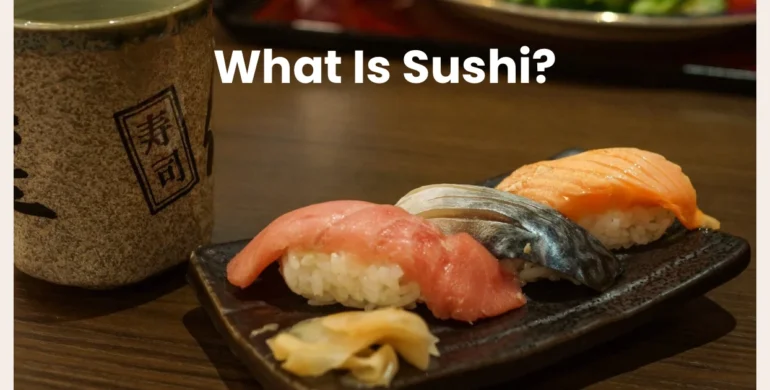
What Is Sushi?
What Is Sushi? It's Not What You Think
"Sushi without raw fish is still sushi. Sushi without properly seasoned rice is not."
— Traditional Japanese proverbAsk most people what sushi is, and they'll confidently tell you: "raw fish." Some might add "wrapped in seaweed" or "served with rice." But here's the truth that surprises nearly everyone: some of the finest sushi contains no raw fish at all. In fact, the word "sushi" doesn't even refer to fish—raw or otherwise.
Understanding what sushi really means changes everything about how you experience it. It opens up a world of flavors, textures, and traditions that have nothing to do with the Western stereotype. Whether you've been avoiding sushi because you "don't like raw fish," or you're a regular who wants to deepen your appreciation, this is where your real sushi education begins.
The Great Misconception: Sushi ≠ Raw Fish
Let's clear this up immediately: sushi refers to the rice, not the fish.
The word "sushi" comes from two Japanese characters: su (酢), meaning vinegar, and meshi (飯), meaning rice. Over time, this became sumeshi or sushi—literally "vinegared rice." The fish, seafood, vegetables, or egg that sits atop or is rolled within that rice? That's the neta or topping. Important, yes. But the rice is the foundation, the soul, the very definition of what makes sushi, sushi.

Understanding the True Meaning of Sushi
This misconception didn't happen by accident. When sushi arrived in the West in the 1960s and 70s, it was marketed as exotic, daring—a chance to eat "raw fish." The emphasis on raw fish helped make it seem adventurous and sophisticated. Ironically, this Western focus on raw fish actually diverged from traditional Japanese sushi, which has always included a diverse array of cooked, cured, and vegetarian options.
Why does this distinction matter? Because once you understand that sushi is fundamentally about perfectly seasoned rice paired with complementary toppings—whether raw, cooked, pickled, or plant-based—you realize that sushi has always been for everyone. You don't need to love raw fish to love authentic sushi.
The Heart of Sushi: It's Always Been About the Rice
In traditional sushi training, apprentices spend years—sometimes three full years—learning nothing but rice preparation before they're allowed to touch fish. This isn't hazing or tradition for tradition's sake. It's because the rice, called shari or sumeshi, is the most complex and crucial element of sushi.
Think about it: in a piece of nigiri sushi (the hand-formed style with fish draped over rice), the rice accounts for more than half the volume. It's the foundation that carries the fish, the medium that balances flavors, the element that determines whether each bite melts harmoniously in your mouth or falls apart into a mushy mess.
"In Japan, it’s said a sushi chef spends three years learning to cook rice, two years learning to prepare fish. The rice is everything."
— Traditional sushi wisdomPerfect sushi rice requires the right variety of short-grain Japanese rice, precise water ratios, careful washing and soaking, exact cooking temperatures, and then—the real art—seasoning with a carefully balanced blend of rice vinegar, sugar, salt, and often kombu (kelp) for subtle umami depth.
This seasoning blend, called sushi-zu, varies not just from restaurant to restaurant but from day to day. Humidity, temperature, the rice harvest, even the season—all these variables affect how the rice absorbs the vinegar mixture. Master sushi chefs adjust their ratios daily, relying on decades of experience and intuition. They taste, touch, smell, and observe the rice, making micro-adjustments that most diners will never consciously notice but will absolutely taste.
The Lifetime Pursuit: Some chefs use standard rice vinegar (yonezu) for a clean, bright flavor. Others prefer red vinegar (akazu), made from sake lees, which imparts a deeper, more complex character and is traditional to Edomae-style (Tokyo-style) sushi. The choice affects everything: the color of the rice, its flavor profile, how it pairs with different types of fish. And here's the humbling truth: no chef ever perfects sushi rice. Even masters with 40 years of experience will tell you they're still learning, still adjusting, still being taught by the rice itself.
This is why truly great sushi costs what it does. You're not just paying for expensive fish—you're paying for rice that has been prepared with a level of attention and skill that took decades to develop. In our next blog post, we'll dive deep into the art and science of sushi rice preparation, exploring rice varieties, vinegar types, and the techniques that separate good sushi from extraordinary sushi.
The Traditional Diversity You Never Knew Existed
Now that you understand sushi is about the rice, let's address another revelation: traditional sushi has always included far more than raw fish. In fact, some of the most beloved and time-honored sushi items are cooked, cured, or entirely plant-based.
Walk into any traditional sushi restaurant in Japan, and you'll find these classics:
Tamago (Sweet Egg Omelette)
Tamago is a slightly sweet, layered Japanese omelette that's often served as nigiri. It's considered the ultimate test of a sushi chef's skill. The technique—creating multiple thin layers, achieving the perfect balance of sweetness and egg flavor, getting the texture just right (firm but tender, never rubbery)—reveals a chef's precision and care. There's an old saying among sushi professionals: "If you want to judge a sushi restaurant, order the tamago." If they can't make excellent tamago, they probably can't make excellent sushi.
Unagi (Freshwater Eel)
Unagi is grilled freshwater eel glazed with a sweet, savory tare sauce. It's never served raw—the preparation involves a meticulous grilling process called kabayaki that's been perfected over centuries. The result is tender, almost buttery eel with a caramelized exterior and complex umami depth. This is traditional Japanese sushi at its finest, and it's been a beloved favorite for hundreds of years.
Ebi (Shrimp)
Cooked shrimp or prawn, served with its beautiful curved shape, is a sushi staple. The shrimp is typically boiled or steamed, sometimes butterflied, and presented with its vibrant orange-pink color on display. The sweet, delicate flavor and snappy texture make it a crowd-pleaser and a perfect example of how cooking enhances rather than diminishes sushi.
Tako (Octopus)
Tako is octopus that's been boiled to achieve the perfect tender-chewy texture. Preparing tako requires skill—too little cooking and it's rubbery; too much and it becomes tough. Traditional methods include massaging the octopus to tenderize it before cooking. The result is a beautiful piece of sushi with striking purple-white coloring and distinctive suction cups visible, offering a unique texture that's both substantial and delicate.
Shime-Saba (Cured Mackerel)
Here's where it gets interesting: shime-saba is mackerel that's been salt-cured and then vinegar-cured. Technically it's not cooked, but it's absolutely not raw in the way most people think of raw fish. This traditional Edomae preservation technique—developed long before refrigeration—transforms the mackerel, firming its texture and developing complex, tangy flavors. The distinctive silver skin remains, making it part of the hikari-mono (silver-skinned fish) category that's essential to traditional sushi.

Vegetarian Classics
Traditional sushi also includes beautiful vegetarian options that have been enjoyed for centuries:
Traditional Vegetarian Sushi
- Kappa Maki (Cucumber Roll): Named after the water deity kappa from Japanese folklore, this simple roll of cucumber wrapped in rice and nori provides refreshing crunch and palate-cleansing properties between richer pieces.
- Takuan Maki (Pickled Radish Roll): Bright yellow pickled daikon radish offers a sweet-tangy flavor and satisfying crunch. It's a traditional favorite that adds color and contrast to any sushi meal.
- Inari Sushi: Sushi rice stuffed into sweet, seasoned tofu pockets. While not technically nigiri or maki, inari is a beloved traditional sushi variety often found at festivals and home gatherings.
Aburi: The Fire-Kissed Tradition
Aburi refers to sushi where the fish or seafood is lightly seared—often with a blowtorch today, but traditionally over charcoal or with a heated metal skewer. This isn't a modern invention; the technique of applying controlled heat to certain fish has existed in Japanese cuisine for centuries. The light searing renders fat, adds a subtle smokiness, creates textural contrast, and can transform the flavor profile completely.
Common aburi applications include salmon belly, toro (fatty tuna), mackerel, and engawa (halibut fin muscle). The result is a piece of sushi where the outside is warm and slightly caramelized while the inside remains cool—a beautiful interplay of temperatures and textures that demonstrates sushi's complexity beyond the raw-or-cooked binary.
The Key Point: None of these items are modern adaptations or concessions to Western palates. They're not "beginner sushi" or "training wheels." They are authentic, traditional, and in many cases, the items that seasoned sushi connoisseurs most appreciate. They've been part of sushi culture since its earliest days.
In Blog 3 of this series, we'll explore each of these varieties in depth, explaining preparation techniques, flavor profiles, and how to build a perfectly balanced sushi meal using the full spectrum of options.
Sushi Is a Complete Meal, Not a Starter
One of the most common mistakes people make is treating sushi as an appetizer or side dish. In Japanese dining culture, sushi is absolutely a complete meal—a balanced, nutritious, and satisfying dinner in itself.
Consider what a well-composed sushi meal provides:
The Nutritional Balance of Sushi
Protein: Whether from fish, seafood, or egg, sushi delivers high-quality, easily digestible protein. The variety available means you can incorporate different types—lean white fish, rich fatty fish, cooked seafood—providing diverse amino acid profiles and nutrients.
Complex Carbohydrates: The rice provides sustained energy from complex carbs, and when properly seasoned, aids in digestion. Japanese short-grain rice is also lower on the glycemic index than many other rice varieties.
Vegetables and Pickles: Traditional accompaniments like pickled ginger (gari), the cucumber in kappa maki, takuan pickles, and various garnishes provide fiber, vitamins, and digestive benefits.
Healthy Fats: Fish, especially varieties like salmon, tuna, and mackerel, provide omega-3 fatty acids essential for heart and brain health.
Minerals and Micronutrients: Nori (seaweed) is rich in iodine, iron, and vitamins. Different fish provide selenium, vitamin D, B vitamins, and more.
Building a Balanced Sushi Meal
A typical sushi meal might consist of 8-12 pieces of nigiri plus a roll or two. This isn't an appetizer portion—it's a complete dinner. The key is variety and progression.
Traditional sushi meals follow a thoughtful progression: starting with lighter, more delicate flavors (white fish like sea bream or flounder), moving through medium-rich options (salmon, yellowtail), including some cooked items for textural variety (shrimp, eel), perhaps incorporating silver-skinned fish like mackerel, and finishing with either something rich (if you're having fatty tuna) or something clean and simple (tamago or a cucumber roll) to complete the experience.
Your Preferences Matter
Some people prefer mostly cooked items—that's a perfectly valid way to enjoy sushi. Others might want only raw fish—also fine. Some avoid certain textures like octopus or eel—completely understandable.
The beauty of authentic sushi is that its inherent diversity means there's truly something for everyone. You can have a completely satisfying, traditional sushi meal without a single piece of raw fish, or you can go all-in on the raw experience. Both approaches honor the true nature of sushi.
Why This Understanding Matters
Knowing what sushi really is changes how you approach it. Instead of feeling intimidated or limited, you realize sushi offers incredible flexibility and accessibility. If you've been avoiding sushi because of the "raw fish" factor, you now know you've been missing out on a rich culinary tradition that includes countless options you'd probably love.
If you're already a sushi enthusiast, understanding the centrality of rice and the traditional diversity of sushi deepens your appreciation. You can begin to evaluate sushi restaurants not just by the quality of their fish, but by the care they put into their rice, the range of their offerings, and their respect for tradition alongside innovation.
This understanding also helps you navigate menus with confidence. You'll know what you're ordering and why. You'll be able to build a balanced meal. You'll appreciate that the chef who spent years mastering rice preparation, who can make sublime tamago, who sources both the freshest raw fish and prepares traditional cooked items with equal skill—that's a chef worth seeking out and supporting.
Your Sushi Journey Begins Here
Sushi is not raw fish on rice. It's not a trendy food fad or an intimidating dining challenge. Sushi is a centuries-old culinary tradition built on the foundation of perfectly seasoned rice, combined with a diverse array of toppings that reflect seasonality, craftsmanship, and balance.
It's about a chef who tastes the rice each morning and adjusts the vinegar ratio based on yesterday's humidity. It's about the sweet layers of a tamago that took years to master. It's about the glossy char on grilled unagi and the satisfying snap of fresh cucumber. It's about raw fish, yes—but it's also about so much more.
Ready to Experience Authentic Sushi?
Now that you understand what sushi really is, come taste the difference that proper technique and traditional variety make. From perfectly seasoned rice to the full spectrum of cooked, cured, and raw options, experience sushi the way it was meant to be enjoyed.
Explore Our Menu Learn About SushiMen
The Sushi Foundation Series
- Part 1: What Is Sushi? (You Are Here)
- Part 2: The Art of Sushi Rice - Coming Next Week
- Part 3: Beyond Raw - Traditional Diversity of Sushi
- Part 4: From Edo to Instagram - Sushi's Transformation
There are no comments


